オリエンタルリリー ルドヴィナ 球根 3球セット ゆり ユリ 百合 秋植え 冬植え 春咲き 球根 イングリッシュガーデン
Oriental Lily Ludvina Bulbs, Set of 3, Lilies, Fall/Winter Planting, Spring Blooming, English Garden Bulbs
Price
Quantity
Description
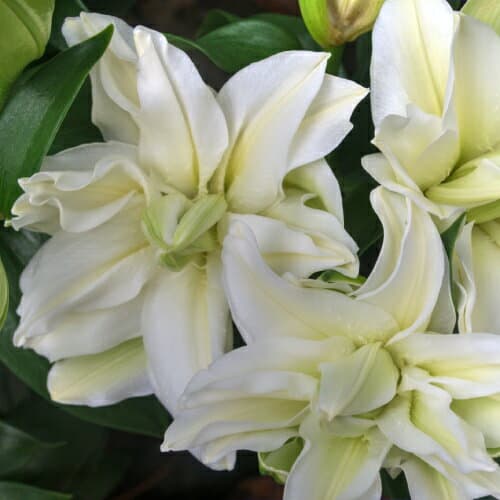
清らかな純白の大輪花を咲かせるオリエンタル系ユリ。 花弁の中央にイエローが差し、外側の白へのグラデーションが爽やかで清楚な印象を与えます。 花付きが良く、切り花にすると高級感を演出。 強い芳香も楽しめるため、ギフトにも適しています。 ■開花期:7月 ■草丈:100cm前後 ■お届け球根サイズ:球周約18〜20cm *百合の球根はサイズで開花輪数が決まってきます。基本、オリエンタル系は周囲18cmを超えると5輪咲くのが基準です。もちろん、栽培環境にもよりますが、ほぼ定説通りです。 さらに大きな球根もありますが、百合の球根は太らせたり前年のサイズを維持するには、開花後早めに花を落としたり、植え付け時に相当な間隔を空けて肥培管理しないといけません。実態は毎年、現状維持か萎縮していく傾向にあります。 そのようなことを考えると、プロでも無い限りは、手頃なサイズをお買い求めやすい価格で育てる方をオススメします。ユリの球根の根は写真の様にカットされている 場合が多いです。でも、ご安心を。ユリの球根の 下から生える根はただの支えみたいな物。養分、水分を吸収するほんとうの 「根」は実は発芽して球根の上の部分の茎から生えてくる「上根」なんです。 なので、ユリの球根を植えるときは、発芽してから、その茎に生える根が土 の中にキチンと埋まることを考えて「深植え」します。 ゆりは早いところで9月初旬、だい たい、10月になるとほぼ本州物は堀りあげが終わります。 掘り上げた球根は洗浄し、一回、冷蔵庫に入れます。 これは折角、休眠に入った球根が目を覚まさない様に。 でも、まれに、冷蔵庫から取り出してお届けまでの保管中に発芽してしまう物があり ます。 気の早い球根が休眠から目覚めようとしてしまうのですね。 そんな時はバッサリとその芽を切ってしまいます。 この芽。業界では「盆芽」と呼ばれているのですが、なぜかあまりにも業界用語過ぎ るのか、インターネット検索にも出てこない用語です。 あれっ?ひょっとして「凡芽?」だったかな?なんて思って調べても出てこない特殊 用語。 下手に伸ばして真冬に地上部に出てきたら、それこそ、霜などでやられてしまいま す。 なので、強制的に切り落とし撤去です。 あくまでも自然での正しい発芽時期は早くても3月ごろ。 それまではしっかりと土の中で。
Oriental lilies bloom with large, pure white flowers. A yellow accent in the center of the petals, gradating to white on the outside, creates a refreshing and clean impression. They bloom well and create a luxurious look when cut. Their strong fragrance makes them a perfect gift. ■ Flowering Period: July ■ Plant Height: Approximately 100cm ■ Bulb Size: Approximately 18-20cm in Circumference *The number of flowers a lily bulb will bloom depends on its size. Generally, Oriental lilies will bloom five flowers when their circumference exceeds 18cm. Of course, this depends on the growing environment, but this is generally consistent. While even larger bulbs are available, to thicken lily bulbs or maintain their size from the previous year, you need to remove the flowers early after flowering and plant them at sufficient intervals. In reality, they tend to either maintain their current size or shrink each year. Given this, unless you're a professional grower, we recommend growing reasonably sized bulbs at an affordable price. The roots of lily bulbs are often cut as shown in the photo. But don't worry. The roots that grow from the bottom of the bulb are merely supportive. The true "roots" that absorb nutrients and water are actually "upper roots" that sprout and grow from the stem at the top of the bulb. Therefore, when planting lily bulbs, they are "deeply planted" so that the roots that grow from the stem after germination will be properly buried in the soil. Lilies are dug up as early as early September, and most from Honshu are usually finished by October. Once dug up, the bulbs are washed and placed in the refrigerator. This is to prevent the bulbs from waking up after going into dormancy. However, occasionally, some bulbs sprout while being stored after being removed from the refrigerator and waiting for delivery. These impatient bulbs try to wake up from dormancy. In such cases, the buds are simply cut off. This bud. In the industry, they are called "bon buds," but for some reason, it's such an industry term that it doesn't even come up in internet searches. "Hmm? Maybe it was "bon buds?" I thought, thinking, but no matter how much I looked it up, it's a specialized term that doesn't come up. If they grow too long and emerge above ground in the middle of winter, they will be destroyed by frost or something. So, they are forcibly cut off and removed. The correct time for natural germination is around March at the earliest. Until then, they should be firmly planted in the soil.