What Proxy Japan is intended to do
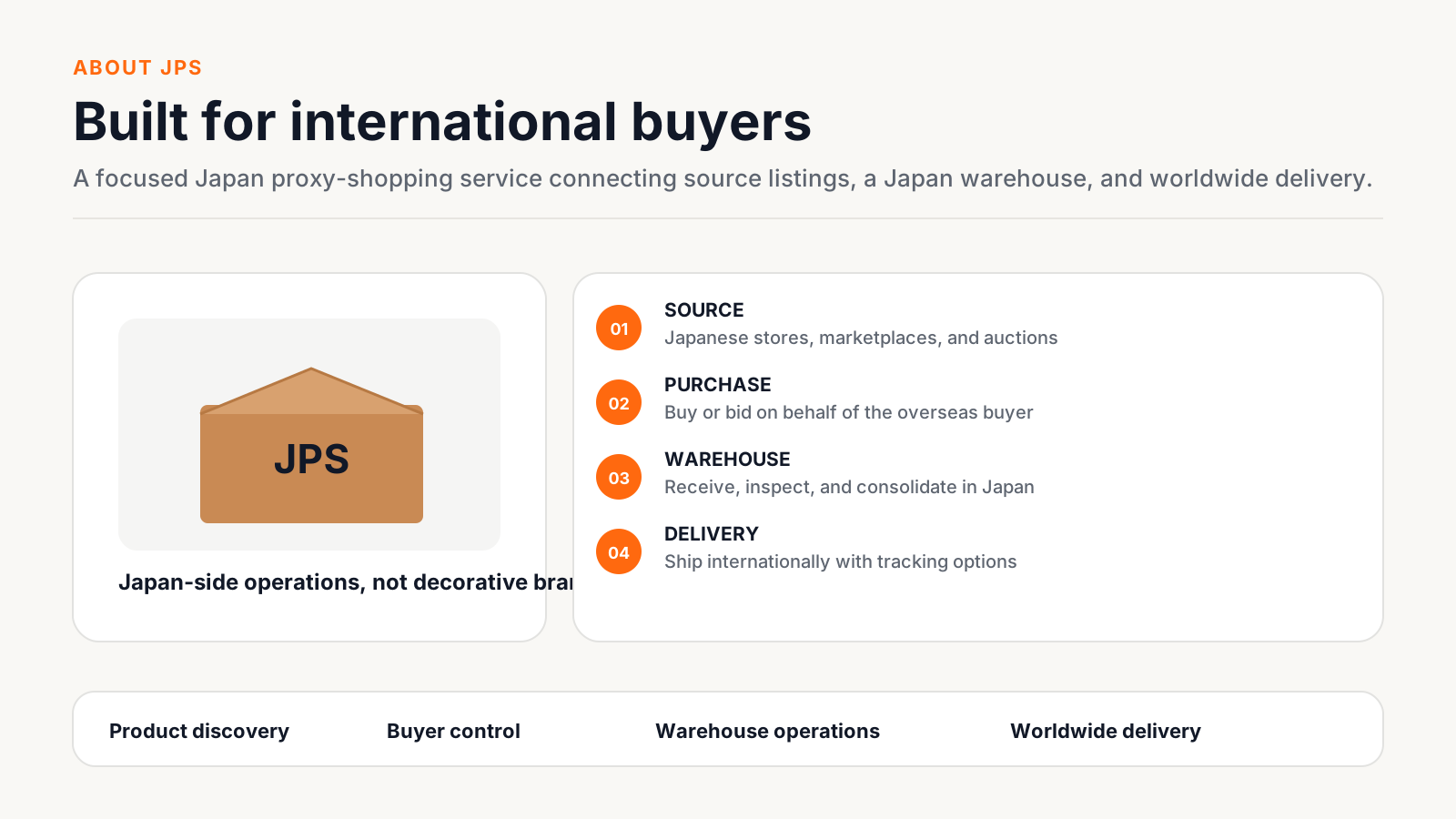
Proxy Japan is a Japan-shopping service interface designed around source transparency: find or paste a Japanese listing, preserve the seller or store details, authorize the purchase or bid, receive eligible goods in Japan, and plan international delivery after the parcel is known. The current package is a product prototype and SEO content build, not evidence that every operational function is already live.
What this build deliberately does not invent
The supplied project does not identify the final production domain, legal entity disclosure, warehouse operator, support address, fee schedule, storage policy, payment vendors or returns terms. Those facts are required before public launch and should be inserted from the actual business configuration rather than manufactured for SEO completeness.
Editorial standards
Marketplace, competitor-fee and US regulatory claims should be traceable to current primary sources. Used-goods guidance should separate seller claims from verified facts. Search pages should help buyers interpret Japanese listings without converting translation into a guarantee of authenticity, condition or compatibility.
Before public indexing
- configure the real production domain and regenerate canonical, Open Graph, schema and sitemap URLs
- publish the operating company and customer-support details
- publish the real Proxy Japan fee, payment, storage, prohibited-items and return/cancellation policies
- confirm warehouse and international-carrier workflows
- run the included release gate after configuration
Product principle: source transparency before convenience
Proxy Japan’s intended advantage is not to hide Japanese marketplaces behind a generic catalog. Search and translation can make discovery easier, but the order should retain the original listing, seller/store, price, variant, photos and key terms so the buyer and support team can see what the Japan-side purchase is based on.
Production facts that must come from the real operator
Before public launch, replace placeholders with the legal operating name, production domain, customer-support channel, warehouse operator/location disclosure as appropriate, service fee schedule, storage limits, prohibited-items policy, payment methods, cancellation/returns process and carrier workflow. These are business facts and should never be invented to make an SEO page look complete.
How content will be maintained
Durable category guidance can be reviewed periodically, while competitor fee and US regulatory pages need dated checks against primary sources. The release gate should fail when the production domain remains a placeholder or when required policy information is absent, keeping editorial completeness tied to deploy readiness.